Weld Automation Tools and EquipmentSales For Sale

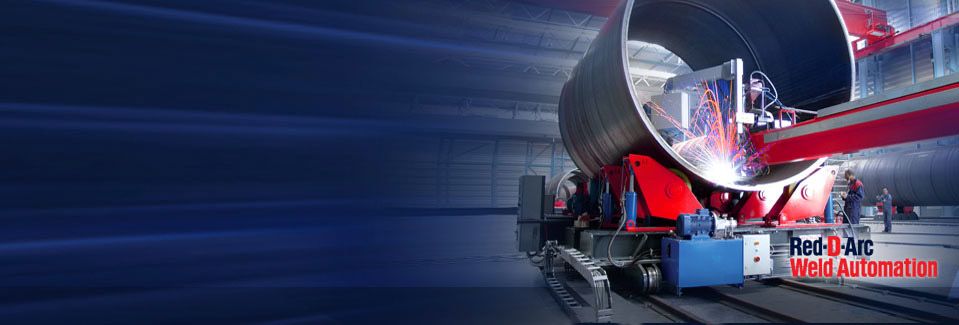
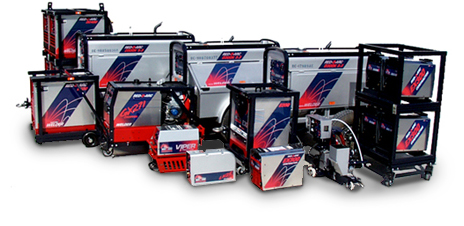
Complete range of welding tolls and equipment available for sale including positioners, manipulators, turning rolls and other weld automation products.

Induction Heating Systems

Checkout our wide range of induction heating systems (HIS) available for rent, lease and sale.

Power Generators

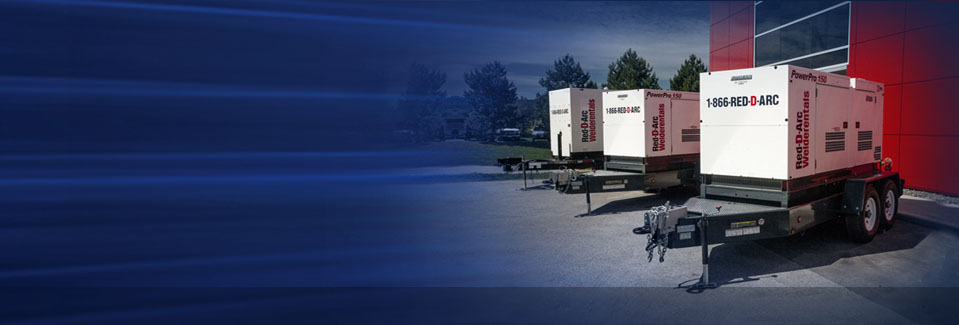
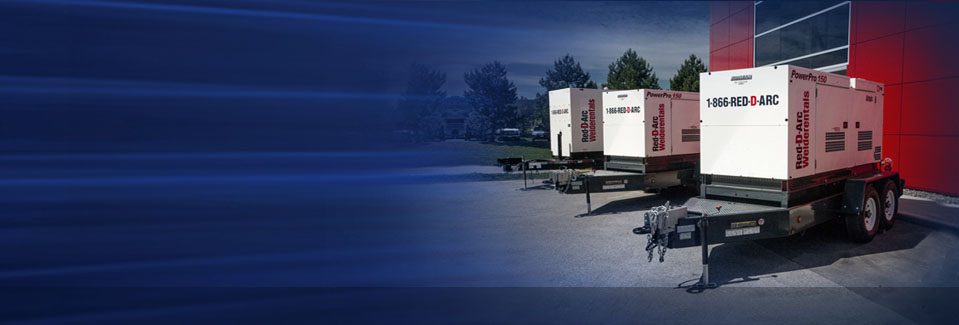
View our wide range of highly efficiency full line engine-driven generators including diesel, natural gas and hybrid bi-fuel generators.

Cutting Machine Sales and Service

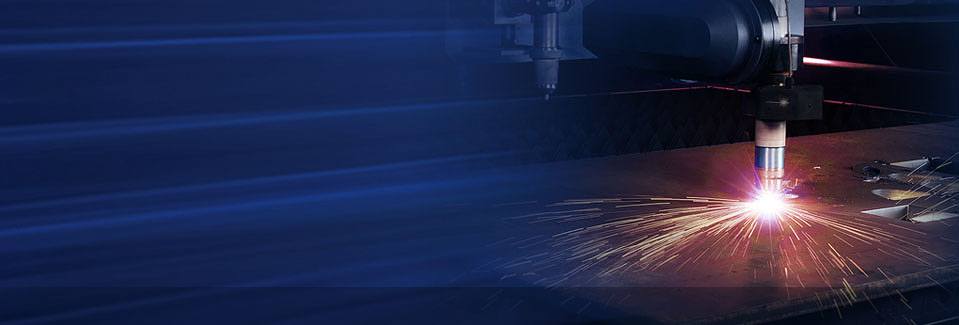
We are a trusted dealer and distributer of all major cutting machines, like CNC plasma and oxyfuel cutting equipment, with over 20 years of experience in delivering, maintenance, repair and services.

DandD Power Oilfield

We are one of the top power generation rental and service providers in the southwest U.S. We have the capacity to keep your oilfield power generation equipment running.

Thursday, December 11, 2014

Choosing the Right Welding Equipment

Determining the right type of welding equipment can be a daunting task due to the wide range available welding equipment in the market. However, the first step is to consider the size of your project. This will allow you to narrow down on the type of equipment you need. For example, for light repair work on aluminum, steel, stainless steel and sheet metal up to 3/16 inch thick a 130-amp TIG or MIG unit may suit your needs best. For heavier repair work and fabrication jobs choose amperage of around 200 amps with a duty cycle of 40% or more. Duty cycle is one of the important factors, which is the number minutes a welder can operate out of a 10-minute cycle. For example, a machine with 200 amps AC and 40 percent duty cycle can weld 200 amps continuously for 4 minutes.

Duty cycle and amperage

Duty cycle and amperage are inversely proportional where the duty cycle increases when the amperage is reduced. Thick metals require more amperage than thin metals. Therefore, it is essential to consider both factors prior to choosing welding equipment. Depending on your needs, you may want to consider renting welding equipment. Red-D-Arc has an extensive selection of welding equipment ranging from gas, LPG and diesel engine welders to advanced process welders, and more. These machines are available at affordable prices. With decades of experience, Red-D-Arc has the potential to help contractors choose the right type of equipment and generate great savings.
Share:

Welding Equipment – The Choice Between Owning And Renting

Welding is one of the most important processes in many industries. Man businesses face a dilemma when it comes to choosing between renting or buying. There are several factors that ought to be considered, which can also help you make the right choice. To begin with, there are benefits to both.

Factors to consider
LPG Engine-Driven Welders

One of the first things to consider is the rate of utilization. If your usage is below 60 percent then it would be worth considering hiring welding equipment. Another important fact is match technology with your usage so that you do not end up owning or renting equipment that is not capable of matching productivity. Apart from utilization, volume requirements can influence your purchase decision. For example, a sudden increase in demand for power could be met by renting rather than incurring capital expenses on a large equipment base.

Affordable welding equipment rentals from Red-D-Arc

EX350i Advanced Process


Technology can also influence your decision to rent or buy. If you regularly need equipment with premium multi-process arcs, it may make sense to buy equipment according to your needs. However, if you need a stick welder for smaller jobs you can always rent the right equipment. Fortunately, rental houses like Red-D-Arc offer the latest welding rental equipment ranging from stick welders to plasma cutters, multiple-arc racks, advanced process welders, MIG welders, wire feeders, and more. To determine the best welding equipment to suit your needs, all you need is to get in touch with Red-D-Arc. It is a great way to both money and storage space, which adds to the cost of building ownership.
Share:

Wednesday, November 19, 2014

Types of Engine Driven Welders

Engine driven welders are used where there is a lack of electric power for arc welding, and are designed for outdoor applications. However, they can be used indoors to supply necessary power to electric arc welders. The nature of application, type of engine, portability and AC generator power are some of the factors to consider when choosing an engine-driven welder.

A choice of gas powered engines

There are different types of engine driven welders that include gasoline, diesel, and LPG or liquid propane gas. Gasoline engines are ideal in colder climates since they do start easily and do not need ether start kits or other starting aids. Diesel engine driven welders are most popular since they offer a better fuel economy when compared with gasoline engines. They are widely used in refineries since they do not ignite as easily as gasoline. LPG has become an alternative choice especially in indoor applications where exhaust emissions from diesel and gasoline are not permitted.

Choosing the right wattage

When selecting an engine driven welder, it is prudent to consider the need for portability. Smaller gasoline stick welders are easier to be carried or lifted to a work area.  Engine drives come with power generation capabilities from 5000 to 27000 W. Choosing one depends on the tools used and the need to simultaneously weld. Different tools require different wattage. Grinders require 1800 W, air compressors a minimum of 8200 W, plasma arc cutters up to 12000 W. Considering these factors will help choose the right unit.
Share:

Safety Comes First For Welding Operators

There is no doubt that welding operators often work under stressful conditions where safety is paramount. While arc welding may be a safe occupation, it is essential to make sure that safety measures aren’t overlooked. From electric shock, to exposure to arc radiation, fumes and gases, there are several factors and mandatory practices that must be strictly adhered to by the book. Welding involves voltages from as low as 20 volts to as high as 100 volts while the voltage in welding equipment ranges from 120 to over 550 volts. Therefore, it is essential for welding operators never to touch electrodes and metal parts of the electrode holder with bare hands. Proper insulation includes the use of dry gloves, keeping dry insulation between their body and the metal being welded.

Fumes and gases can be hazardous in case of overexposure. Fumes from welding contain toxic metal oxide compounds, which is why welding operators must ensure that there is proper ventilation depending on the type of rod and base metal used. Ventilation systems such as exhaust fans and hoods are essential in the work area. Operators must wear approved respirators to limit the exposure to toxic fumes. Ventilation systems must be regularly checked to comply with specific standards set by OSHA or other relevant authorities.

Welding operators have a choice of personal equipment from fire resistant clothing, safety glasses, shoes, helmets and more. Wool and cotton clothing specially treated with fire retardation is recommended over synthetics. Paying attention to safety makes all the difference when it comes to welding, an industry where welders and their skills are in great demand.
Share:

Wednesday, October 22, 2014

Pipe Welding and Filler Metal Considerations

The pipeline industry and pipe metallurgy has evolved over time, giving rise to a great demand for welding processes and products. For this purpose, many multipurpose welding machines with multi process capabilities have been developed with inverter based engine drives. One of the key factors that welders need to determine in welding process pipe is which wires provide the best results for every weld pass. They also need to select the highest quality filler metal. Process piping has its unique requirements and challenges where welders need to comply with strict codes and take precautions to eliminate the risk of defects that could compromise weld integrity. Some welders have moved from gas tungsten arc welding to wire processes. Technologies such as pulsed gas metal arc welding (GMAW-P) have the capacity to increase production and produce the highest quality welds in process pipe applications. One of the major tasks of the welder is to choose the right filler metal.

Types of filler metals

Carbon steel in diameters from 4 to 36 inches is widely used in process piping applications. For the semiautomatic process, the most common diameter is 18 inches or smaller. The filler metal wire options in such applications are solid wire; metal cored wire; and gas shielded flux cored wire. Each type of wire has its unique features and benefits, which must be considered prior to selecting a filler metal for the job. Solid wire is one of the most popular choices since a greater amount of filler metals goes into the weld joint when compared with SMAW electrodes. On the other hand, to speed productivity on process pipe welding applications that use SMAW or GTAW, tubular gas shielded flux cored wire is an ideal alternative. They meet industry mechanical properties such as high strength and side-wall fusion to help reduce weld defects. Metal cored wires, like solid wires can be used with a modified short circuit GMAW process, and allows welders to standardize one wire and gas for the entire application. 
Share:

The Basics of MIG and TIG Welding

MIG is one of the easiest welding processes to learn. However, there is more to MIG welding than running beads. MIG or metal inert gas welding is one of the oldest techniques where a spool of steel wire is fed through a liner and then out of a contact tip on the MIG gun which is either heated or electrically charged when the trigger is pulled and melts the wire for the weld puddle. This is accomplished through short circuit welding. In this technique, droplets of molten wire which heats when short circuited, flows to make a puddle as it touches the base metal.

Benefits of MIG welding

An inert gas like argon or helium that flows from the gun keeps the weld puddle protected from the atmosphere. Later on it was discovered that carbon dioxide also works well although it is not an inert gas, which is why it is also known as GMAW or gas metal arc welding. For the most part, MIG welding is an indoor process and is used in shops and factories. One of the major benefits of MIG is the potential for high productivity since there is no need to change rods or chip and brush welds frequently. It is also easy to learn and can weld stainless steel, mild steel and aluminum.

TIG welding

TIG or tungsten inert gas welding is a process that uses a non-consumable tungsten electrode to deliver current to the welding arc. The tungsten acts as a torch, generating heat, which melts the metal. A filler metal is usually used. A shielding gas such as argon protects the weld area from contamination. TIG welding is used to weld thin section of stainless steel and non-ferrous metals like magnesium and aluminum. TIG welding requires more skill and takes longer to master when compared with MIG welding.
Share:

Thursday, September 11, 2014

Hazards and Safety Precautions for Workers Working as Welders

Welders face a number of hazards that can be very dangerous. The exposure to welding fumes causes a number of health problems. The fumes can cause ill health when they enter the lungs, bloodstream and brain nerve cells.

Electric shock is another major hazard that a welder faces. The shock can lead to serious injury or even death. Due to the extreme temperature that welding creates, there is significant risk of fire and explosion in the workplace. The intense heat created near the arc and the heat, sparks and spatter created by the arc can result in fire. Not using personal protective equipment or insufficient personal protective equipment can result in injuries and burns. Burns are the most common type of welding injury.

Safety of the welders is the most important consideration of any project. Spreading awareness of the most common hazards in welding and educating and equipping the welders to avoid the hazards will help in creating a safe and productive work place. The most important aspects of safety is the right personal protective equipment and the right training. Wearing the right personal protective equipment not only protects the welder from injuries and burns, but also helps in freedom of movement. Accidents mostly occur due to carelessness and lack of knowledge of the products. The next important step is to read and understand the safe data sheets provided by the manufacturers and have a thorough knowledge of the products and the safety precautions related to them. Only approved welding equipment which are kept in good condition should be used. When not in use the equipment should be disconnected from the source of power to avoid electric shocks. If the equipments are portable, they should be placed in such a way that they do not hinder movement of the workers and thus avoid accidents. Following a few simple rules and tips will help in avoiding big hazards.
Share:

Labels