Wednesday, November 19, 2014
Types of Engine Driven Welders
Engine driven welders are used where there is a lack of
electric power for arc welding, and are designed for outdoor applications. However,
they can be used indoors to supply necessary power to electric arc welders. The
nature of application, type of engine, portability and AC generator power are
some of the factors to consider when choosing an engine-driven welder.
A choice of gas
powered engines
There are different types of engine driven welders that
include gasoline, diesel, and LPG or liquid propane gas. Gasoline engines are
ideal in colder climates since they do start easily and do not need ether start
kits or other starting aids. Diesel engine driven welders are most popular
since they offer a better fuel economy when compared with gasoline engines.
They are widely used in refineries since they do not ignite as easily as
gasoline. LPG has become an alternative choice especially in indoor
applications where exhaust emissions from diesel and gasoline are not
permitted.
Choosing the right
wattage
When selecting an engine
driven welder, it is prudent to consider the need for portability. Smaller
gasoline stick welders are easier to be carried or lifted to a work area. Engine drives come with power generation
capabilities from 5000 to 27000 W. Choosing one depends on the tools used and
the need to simultaneously weld. Different tools require different wattage.
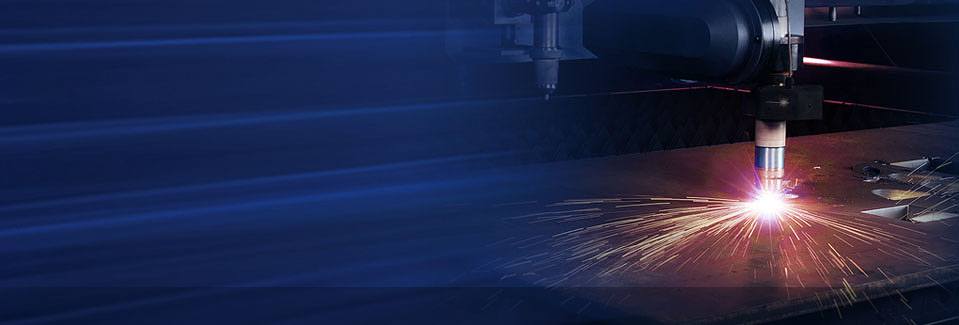
Grinders require 1800 W, air compressors a minimum of 8200 W, plasma arc
cutters up to 12000 W. Considering these factors will help choose the right
unit.
Safety Comes First For Welding Operators
There is no doubt that welding
operators often work under stressful conditions where safety is paramount.
While arc welding may be a safe occupation, it is essential to make sure that
safety measures aren’t overlooked. From electric shock, to exposure to arc
radiation, fumes and gases, there are several factors and mandatory practices
that must be strictly adhered to by the book. Welding involves voltages from as
low as 20 volts to as high as 100 volts while the voltage in welding equipment
ranges from 120 to over 550 volts. Therefore, it is essential for welding
operators never to touch electrodes and metal parts of the electrode holder
with bare hands. Proper insulation includes the use of dry gloves, keeping dry insulation
between their body and the metal being welded.
Fumes and gases can be hazardous
in case of overexposure. Fumes from welding contain toxic metal oxide
compounds, which is why welding operators must ensure that there is proper
ventilation depending on the type of rod and base metal used. Ventilation
systems such as exhaust fans and hoods are essential in the work area.
Operators must wear approved respirators to limit the exposure to toxic fumes.
Ventilation systems must be regularly checked to comply with specific standards
set by OSHA or other relevant authorities.
Welding operators have a choice
of personal equipment from fire resistant clothing, safety glasses, shoes,
helmets and more. Wool and cotton clothing specially treated with fire retardation
is recommended over synthetics. Paying attention to safety makes all the
difference when it comes to welding, an industry where welders and their skills
are in great demand.
Wednesday, October 22, 2014
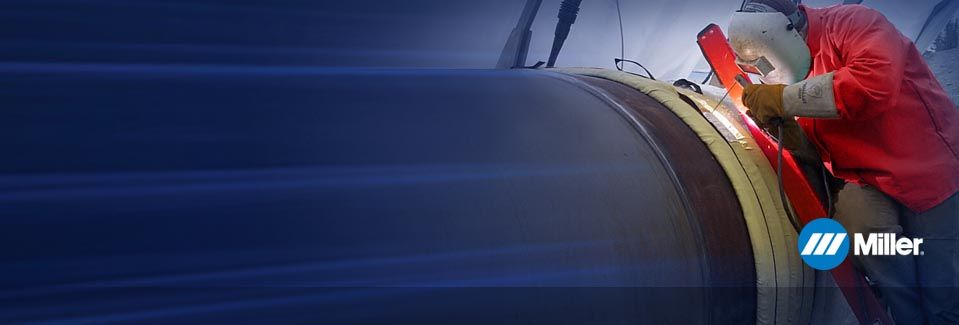
Pipe Welding and Filler Metal Considerations
The pipeline industry and pipe
metallurgy has evolved over time, giving rise to a great demand for welding
processes and products. For this purpose, many multipurpose welding machines
with multi process capabilities have been developed with inverter based engine
drives. One of the key factors that welders need to determine in welding
process pipe is which wires provide the best results for every weld pass. They
also need to select the highest quality filler metal. Process piping has its
unique requirements and challenges where welders need to comply with strict
codes and take precautions to eliminate the risk of defects that could
compromise weld integrity. Some welders have moved from gas tungsten arc
welding to wire processes. Technologies such as pulsed gas metal arc welding
(GMAW-P) have the capacity to increase production and produce the highest
quality welds in process pipe applications. One of the major tasks of the
welder is to choose the right filler metal.
Types of filler metals
Carbon steel in diameters
from 4 to 36 inches is widely used in process piping applications. For the
semiautomatic process, the most common diameter is 18 inches or smaller. The
filler metal wire options in such applications are solid wire; metal cored
wire; and gas shielded flux cored wire. Each type of wire has its unique
features and benefits, which must be considered prior to selecting a filler
metal for the job. Solid wire is one of the most popular choices since a
greater amount of filler metals goes into the weld joint when compared with
SMAW electrodes. On the other hand, to speed productivity on process pipe welding applications that use SMAW or GTAW, tubular gas shielded flux cored
wire is an ideal alternative. They meet industry mechanical properties such as
high strength and side-wall fusion to help reduce weld defects. Metal cored
wires, like solid wires can be used with a modified short circuit GMAW process,
and allows welders to standardize one wire and gas for the entire application.
The Basics of MIG and TIG Welding
MIG is one of the easiest welding
processes to learn. However, there is more to MIG welding than running beads.
MIG or metal inert gas welding is one of the oldest techniques where a spool of
steel wire is fed through a liner and then out of a contact tip on the MIG gun
which is either heated or electrically charged when the trigger is pulled and
melts the wire for the weld puddle. This is accomplished through short circuit
welding. In this technique, droplets of molten wire which heats when short
circuited, flows to make a puddle as it touches the base metal.
Benefits of MIG welding
An inert gas like argon or helium
that flows from the gun keeps the weld puddle protected from the atmosphere.
Later on it was discovered that carbon dioxide also works well although it is
not an inert gas, which is why it is also known as GMAW or gas metal arc
welding. For the most part, MIG welding is an indoor process and is used in
shops and factories. One of the major benefits of MIG is the potential for high
productivity since there is no need to change rods or chip and brush welds
frequently. It is also easy to learn and can weld stainless steel, mild steel
and aluminum.
TIG welding
TIG or tungsten inert gas
welding is a process that uses a non-consumable tungsten electrode to deliver
current to the welding arc. The tungsten acts as a torch, generating heat,
which melts the metal. A filler metal is usually used. A shielding gas such as
argon protects the weld area from contamination. TIG welding is used to weld
thin section of stainless steel and non-ferrous metals like magnesium and
aluminum. TIG welding requires more skill and takes longer to master when
compared with MIG welding.
Thursday, September 11, 2014
Hazards and Safety Precautions for Workers Working as Welders
Welders
face a number of hazards that can be very dangerous. The exposure to welding
fumes causes a number of health problems. The fumes can cause ill health when
they enter the lungs, bloodstream and brain nerve cells.
Electric
shock is another major hazard that a welder faces. The shock can lead to
serious injury or even death. Due to the extreme temperature that welding
creates, there is significant risk of fire and explosion in the workplace. The
intense heat created near the arc and the heat, sparks and spatter created by
the arc can result in fire. Not using personal protective equipment or
insufficient personal protective equipment can result in injuries and burns.
Burns are the most common type of welding injury.
Safety of the welders
is the most important consideration of any project. Spreading awareness of the
most common hazards in welding and educating and equipping the welders to avoid
the hazards will help in creating a safe and productive work place. The most
important aspects of safety is the right personal protective equipment and the
right training. Wearing the right personal protective
equipment not only protects the welder from injuries and burns, but also helps
in freedom of movement. Accidents mostly occur due to carelessness and lack of
knowledge of the products. The next important step is to read and understand
the safe data sheets provided by the manufacturers and have a thorough
knowledge of the products and the safety precautions related to them. Only
approved welding equipment which are kept in good condition should be used.
When not in use the equipment should be disconnected from the source of power
to avoid electric shocks. If the equipments are portable, they should be placed
in such a way that they do not hinder movement of the workers and thus avoid
accidents. Following a few simple rules and tips will help in avoiding big
hazards.
Pros and Cons of Welding
Welding is used for joining two metal pieces. There
are different types of welding and each of them has their own set of advantages
and disadvantages.
Welding
when used in construction sites is responsible for the durability of the
joints. It is a dependable, efficient and economic method of joining metals.
The welded joints last for years and can withstand a lot of harsh conditions.
They have great strength. The welded joints have low initial cost and can be
repaired easily. Welding is a very versatile process and can be applied to many
applications. There is wide range of electrodes to choose from. The equipment used are very simple and portable. Welding is a process which delivers high quality output with minimal operator skills. Some types of welding are suitable
for welding thick sections also and the fumes released are minimal. The metal
deposition rate is high. Welding is a very simple process and requires minimal
training, supervision and logistics. Gas welding is used to weld thin sections
and delicate work-spaces. This type of welding produces welds of exotic
appearance and high quality.
While
welding is a process with many advantages and uses, it has a few drawbacks as
well. The welding process which uses electrodes is not as
productive as the continuous wire process. The welder has to stop frequently to
change the electrodes. There is a lot of metal wastage in the form of electrode
stubs. The welder cannot see the welding process and hence cannot judge the
process accurately. Gas welding becomes difficult in windy areas and shielding
will be required in such circumstances. Arc welding is limited to areas where
the atmosphere is stable. The arc welding requires high maintenance costs due
to the electronic components involved in the process.
Tuesday, August 12, 2014
Red-D-Arc: Largest Network of Rental Welding Equipment
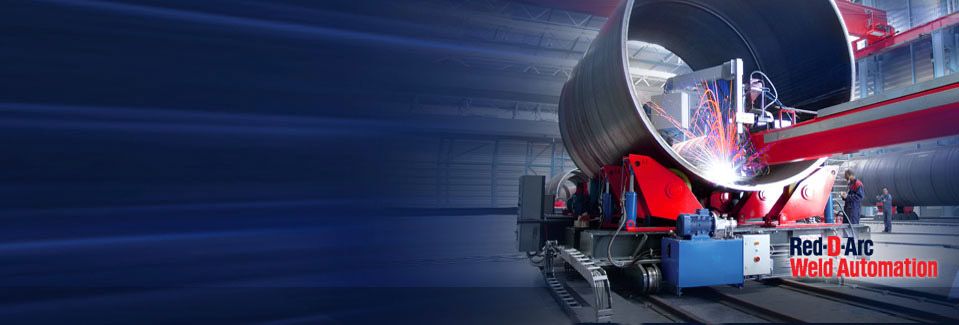
Welding positioning equipment is crucial
to any welding operations that are performed industrially and at workshops. They
play an important role in maintaining the positioning of the weldment large or
small, eases its mobility, simplifies maneuverability, decreases welder fatigue
and improves welding output. In the case of automated fabrication, welding
positioning equipment such as welding manipulators,
positioners, turning rolls, plasma cutters, pipe bevellers, smoke extractors
and others play a significant role in maintaining the efficiency of a line of
production/fabrication and its output. A well-planned and processed line of
automated welding system increases productivity and lowers costs relatively.
However, in a welding setup you may
require equipment that is not part of your regular welding system. In such a
case, investing money to purchase the welding equipment may not make economical
sense. Instead, hiring the equipment for a certain period makes more sense and
is affordable. It also allows the welder to decide whether adding the equipment
to his welding system will increase productivity or efficiency. While hiring
welding equipment it is important to decide from whom to hire. Hiring equipment
from a renowned dealer or rental service provider will ensure you get quality
products, on-time delivery of equipment and service support.
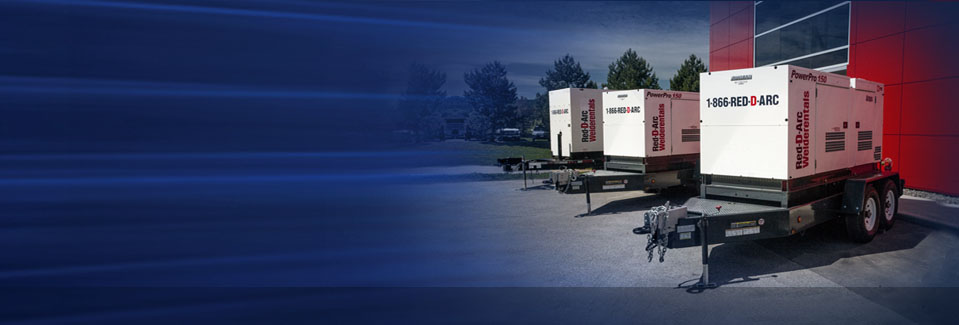
Red-D-Arc
is the largest provider of welding positioning equipment on rent and for sale
in North America. They have over 60,000 units available for rent and sale that
can be delivered to you at short notice based on your need. Their rental
welding-equipment is available through more than 70 service centers in the
United States, the United Kingdom, Europe, Canada, Mexico,
and the Middle East. This equipment is also available through Airgas
Construction Stores, and a dealer network spread across the Caribbean,
Trinidad, Kazakhstan, Australia and Puerto Rico.


